
Pedestrian safety
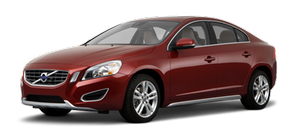
The Volvo V50 Sportswagon has been designed to minimise the risk of injury to pedestrians and cyclists in the event of an accident. The smoothly shaped front has an energy-absorbing structure ahead of the bumper which serves to reduce the risk of leg injuries.
The bonnet and front wings have also been designed to absorb collision energy and the petrol-engined models have a generous 70mm of free space between the top of the cylinder head and the bonnet, which reduces the risk of pedestrian head injuries.
See also:
Speed dial
Speed dial numbers can be added in phone
mode in Phone menu
Phone book
Speed dial.
To use speed dial to make a call in phone
mode, press a button on the center console
keypad followed b ...
Modifications
If you are considering modifying your vehicle in
any way to accommodate a disability, for
example by altering or adapting the driver's or
front passenger's seat(s) and/or airbag systems,
pleas ...
Tire sealing system–overview
1 Speed limit sticker
2 On/Off switch
3 Electrical wire
4 Bottle holder (orange cover)
5 Protective hose cover
6 Air release knob
7 Hose
8 Bottle with sealing compound
9 Air pressure gauge
...